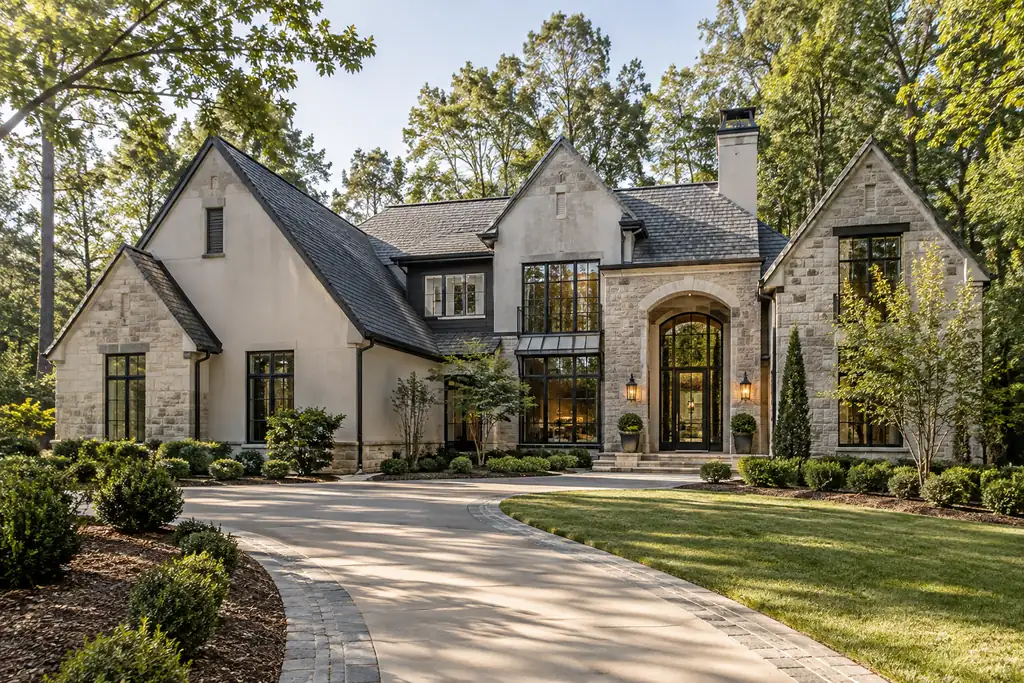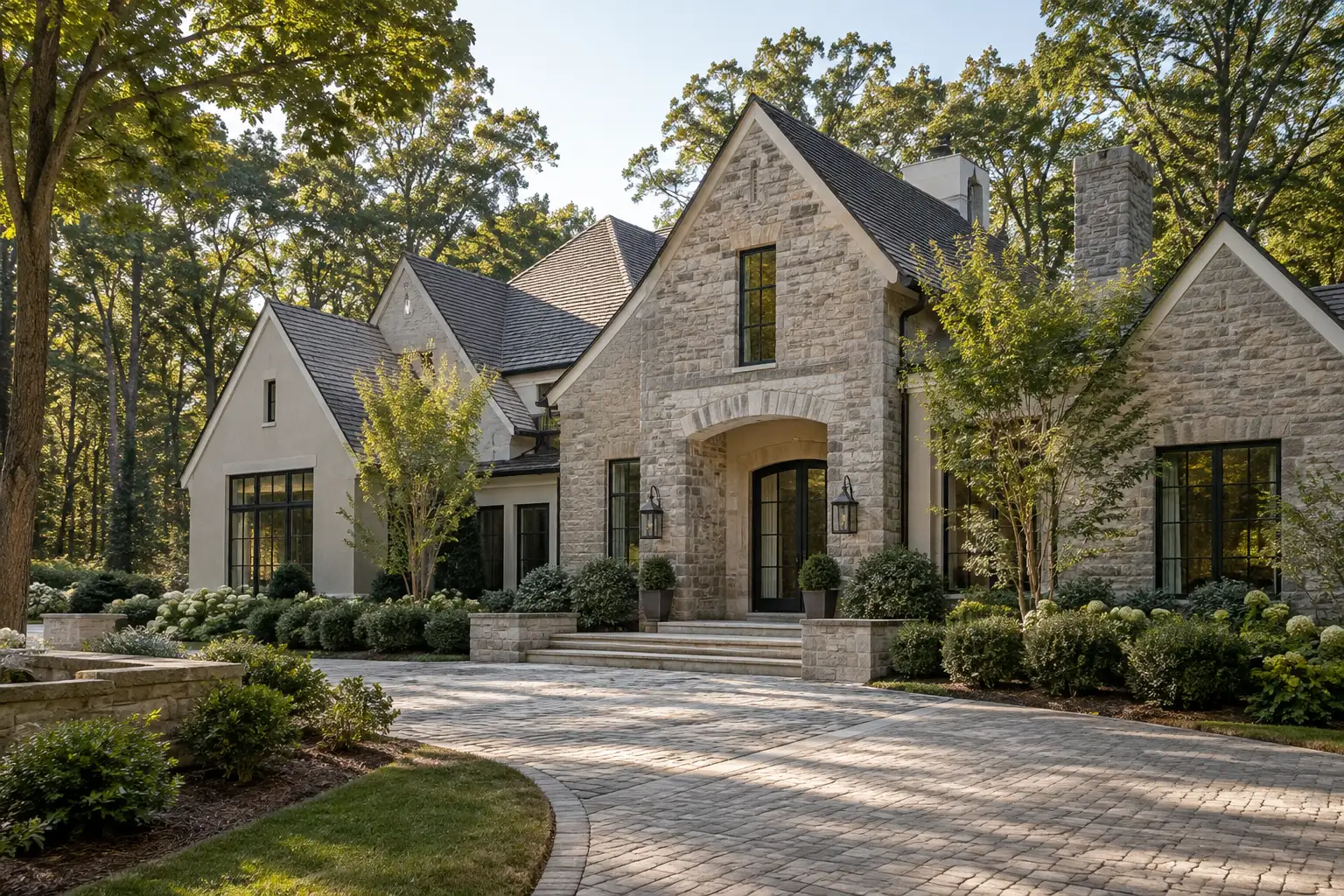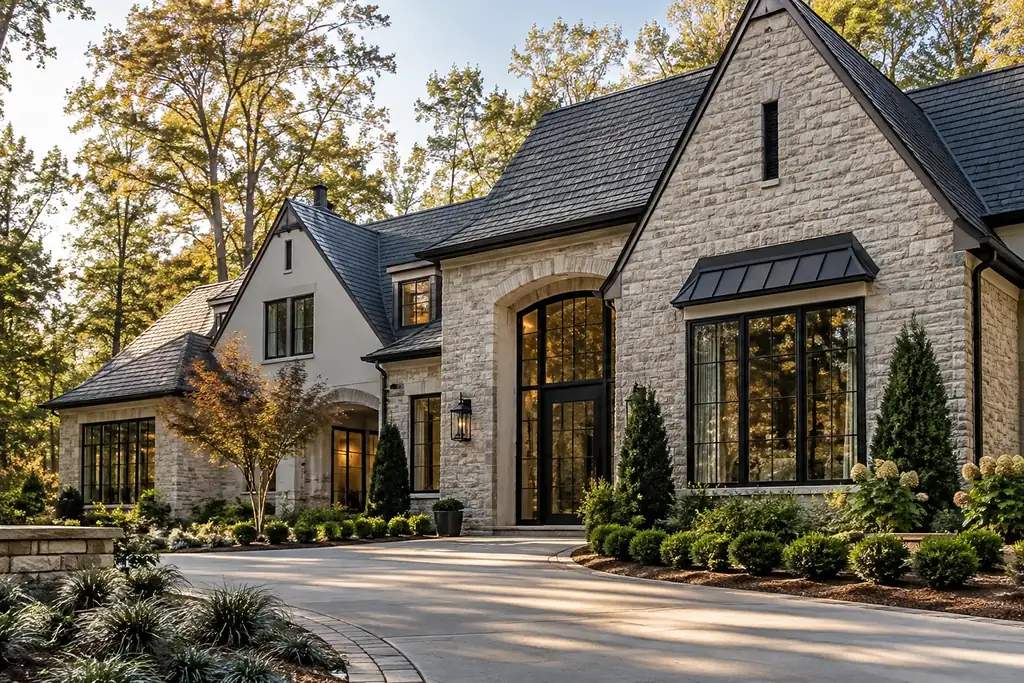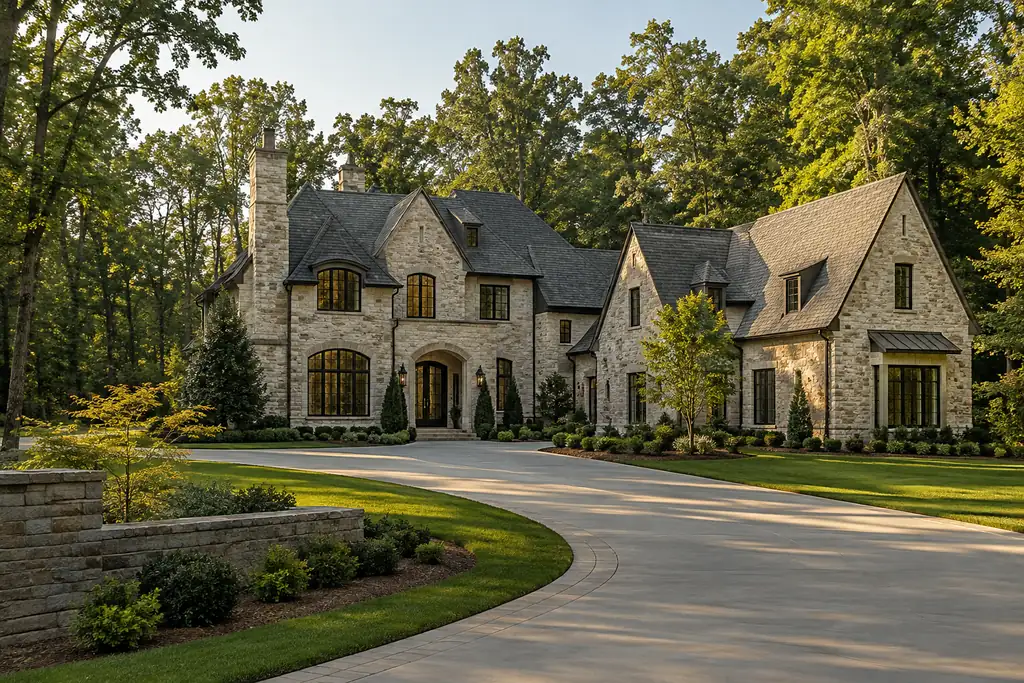
Choosing between Marvin, Weddington and Waxhaw is not simply a choice of town name. For a custom-home buyer, the useful comparison happens at the parcel level: which jurisdiction governs the property, how school eligibility is determined, which services reach the site, and whether the location supports your household’s routines. A mailing address can obscure some of those distinctions, while a listing description rarely resolves them.
This Marvin Weddington Waxhaw guide approaches the decision as a due-diligence exercise rather than a ranking. Start with the setting you prefer, then test each candidate property against official records and everyday experience. The goal is a location that works both during construction and after move-in, with a clear understanding of recurring expenses, service responsibilities and the limits of what can be established before you buy.
Establish the actual jurisdiction before comparing towns
Begin with the parcel identification number, not just the street address. Find the property in the appropriate county’s official geographic information system and tax records. Record its county, municipal status, zoning designation and any special taxing districts shown. Cross-check municipal boundaries against the relevant town’s official mapping or planning records.
A Waxhaw mailing address does not, by itself, establish that a property lies within Waxhaw’s municipal limits. Apply the same discipline to every address under consideration. Postal geography, municipal boundaries, school attendance boundaries and utility service territories serve different purposes and should not be treated as interchangeable.
Weddington warrants particular attention because its jurisdiction extends into Union and Mecklenburg counties. Confirm the county before applying school or tax assumptions. For Union County parcels, use Union County records; for a Mecklenburg County parcel, use that county’s corresponding records and school authority.
Create a property record containing the parcel number, dated map extracts, recorded plat, deed restrictions and available survey. Note any conflict between these documents and marketing materials. Resolve discrepancies before relying on a location description in a purchase or construction decision.
Marvin: assess the residential setting at street level
Marvin is worth evaluating when your priorities center on a residential setting and a home designed around household life. That preference still needs to be tested property by property. Road conditions, neighboring uses, landscape character and the relationship between the house site and surrounding land matter more than a broad description of the village.
Visit the immediate area at different times. Observe vehicle activity, outdoor noise, lighting and how comfortably you can enter or leave the street. If walking is important, inspect the actual route rather than assuming that a quiet-looking road provides a connected pedestrian network.
Review the Village of Marvin’s official planning materials, adopted plans and current development agendas. Distinguish existing conditions from approved proposals and longer-range planning concepts. A plan expresses policy direction; it does not establish when a particular improvement will occur.
For a custom build, translate the setting into design questions. Where should private rooms face? What screening is permitted? Could future development change views or noise exposure? Let the parcel’s verified conditions inform the floor plan before architectural preferences become expensive commitments.
Weddington: compare connections, not just surroundings
Weddington deserves a close look when you want to compare residential settings against the routes your household uses regularly. The relevant question is not whether Weddington is broadly convenient, but whether a particular property connects well to your workplaces, schools, activities and essential services.
Build a route list before touring. Include the office entrance you actually use, recurring medical appointments, grocery shopping and evening activities. Test those routes during the periods that matter to you. Road access, turning movements and bottlenecks can make otherwise similar properties function differently.
Use the Town of Weddington’s official planning and zoning resources to examine the property and nearby land. Check applicable setbacks, accessory-building rules and driveway requirements before assuming that a preferred house, detached workspace or outdoor layout will fit.
Keep county jurisdiction prominent in your comparison. A town name alone is not enough to establish the applicable county tax system or school authority. The strongest Weddington candidate is the parcel whose setting, rules and daily connections work together, rather than one selected on reputation alone.
Waxhaw: separate downtown preferences from address labels
Waxhaw offers a distinct question for buyers: how much does an identifiable town center matter to your daily life? If you value spending time around downtown businesses and civic activity, visit downtown Waxhaw as part of your research. Then evaluate how the specific property relates to that experience.
Do not assume a Waxhaw address means a practical walking connection to downtown. Inspect sidewalks, crossings, road conditions and the full route from the prospective home. If you expect to drive, assess parking and access during the occasions when you would actually visit.
Review the Town of Waxhaw’s official zoning maps, planning documents and development information. For properties near active commercial areas or proposed projects, examine how neighboring uses could affect privacy, lighting and traffic. For properties farther out, focus on utility reach, road maintenance and service arrangements.
The decision criterion is alignment between your preferred routine and the parcel’s real context. A buyer seeking frequent town-center visits may evaluate a location differently from someone prioritizing separation from commercial activity. Neither preference establishes build suitability; that requires a separate technical review.
Research schools through direct, address-specific verification
For a Union County property, verify school assignments directly with Union County Public Schools. Use the district’s official website and current address-based resources, then obtain direct district confirmation for the exact property and relevant school year. Do not treat a listing, neighboring home or prior owner’s enrollment history as assignment evidence.
New construction deserves additional care. A proposed street address may not yet appear correctly in an online lookup. Retain the parcel number, subdivision information and any assigned address documentation. If the lookup is incomplete, assignment status remains unresolved until UCPS confirms it directly. For a property outside Union County, establish the responsible district first rather than assuming UCPS applies.
Research three separate issues: assigned-school eligibility, access to any application-based program, and transportation. Admission to a program and access to a bus route are different questions. Review current rules, deadlines and documentation requirements for each option that matters to your family.
Evaluate educational fit without rankings. Examine official information about curriculum, course pathways, student support, extracurricular participation and enrollment procedures. During school visits, focus on how instruction and support relate to your child’s needs. Useful questions include: How are incoming students placed? What documentation supports learning accommodations? How do students enter specialized courses or programs?
For private or other nontraditional options, review admissions timing, transportation arrangements and the financial commitment separately. Proximity does not establish admission eligibility.
Recheck school information as the build progresses. A custom build typically takes 12–18 months, so the relevant enrollment year may differ from the year in which you purchase the land. Future boundaries and program access are not assured. Preserve dated confirmations and maintain a workable alternative if school timing is central to your move.
Understand county and municipal property taxes
Property taxes begin with jurisdiction and assessed taxable value. A property can be subject to county taxation and, if it falls within municipal limits, municipal taxation as well. Other district charges or assessments may apply. A mailing address is not sufficient to determine which layers belong in your estimate.
For a Union County parcel, confirm current adopted rates through Union County’s official tax administration resources and the relevant municipality’s official finance or budget materials. Use Mecklenburg County’s corresponding resources if the parcel is there. Look for the applicable tax year and adopted rate schedule, not a historical article or a proposed budget.
North Carolina property-tax rates are commonly expressed per $100 of assessed value. To estimate a tax component, divide the taxable assessed value by $100 and multiply by that component’s adopted rate. Add the applicable components, then account separately for fees or assessments that are not calculated through that rate formula. Confirm whether municipal charges appear on the county bill or are administered separately.
For a custom home, the existing parcel’s bill is an incomplete ownership-cost reference. It may reflect land alone or an earlier stage of improvement. Construction can change assessed value, and the eventual assessment does not necessarily equal either your contract price or your total project expenditure.
Your tax checklist should identify the current assessment, applicable jurisdictions, adopted rates, treatment of construction in progress and the timing of assessment updates. Review the county’s published assessment and billing calendar. Ask your builder to distinguish construction costs from assumptions used in any preliminary tax estimate.
Model a reasonable range for completed-property taxes rather than adopting the current land bill as a fixed expectation. Keep association dues, insurance, private service contracts and maintenance reserves outside the property-tax calculation, while including them in the broader ownership budget.
Verify utilities before committing to a site plan
A utility line near a property does not establish service capacity or connection approval. Begin with written, parcel-specific documentation of water, wastewater, electricity and communications service. Use official provider service information and available connection records, then establish which requirements remain unresolved.
For water and sewer, determine whether public service is available to the parcel and whether a connection requires extensions, easements, capacity review or additional approvals. Union County Water’s official resources are relevant where that utility serves the property; confirm the actual provider instead of assuming countywide coverage. Separate a recurring usage charge from connection and construction expenses.
If a well or septic system is involved, review the applicable county environmental health requirements and existing permits. Septic feasibility, permitted capacity and repair-area restrictions can influence bedroom plans, building placement and outdoor improvements. A conceptual site plan is not a substitute for the required approvals.
For electricity and gas, identify the service provider for the exact parcel. Confirm routing, equipment locations and any easements that affect the landscape or architecture. Discuss how vehicle charging, mechanical systems, backup power and other substantial electrical loads fit into the service design. Do not assume natural gas is available because a nearby property uses it.
Internet requires similarly precise verification. Provider coverage maps are a starting point, not a final answer for a new address. Establish the service type and installation requirements before relying on it for remote work. Include utility responsibilities, unresolved conditions and installation sequencing in the builder’s written preconstruction scope.
Clarify trash, road maintenance and public-safety services
Trash and recycling arrangements can differ by municipal boundary, neighborhood and private contract. Review the relevant town’s current service information and the property’s governing documents. Establish whether collection is municipal, association-arranged or individually contracted, and confirm what the service includes.
Your checklist should address household trash, recycling, yard debris, bulky items and container placement. For a custom home, determine whether the collection arrangement affects driveway design or requires containers to be brought to the road. Construction debris belongs in the building contract and should not be confused with ordinary residential collection.
Road maintenance also deserves a documented answer. A road may be state-maintained, municipally maintained or privately maintained. Verify its status through official transportation or municipal records and any recorded maintenance agreement. Private roads can create obligations beyond association dues, while entrance landscaping may have a different responsible party from the roadway itself.
Review official county and municipal information for law enforcement, fire protection and emergency medical service jurisdiction. Do not infer service arrangements from the nearest station or a postal address. Confirm the correct emergency address and visible address requirements, particularly for a property reached by a long or shared access drive.
Test libraries, parks, shopping and everyday routines
Use the Union County Public Library’s official branch directory and program calendar to evaluate library access. Check current hours, borrowing eligibility and the programs your household would use. If another county’s branch is convenient, review that library system’s card and borrowing rules separately.
For parks, consult official county and municipal parks resources. Compare the activities you value against current facility information, access rules and program registration requirements. A public park nearby is not a community-owned amenity, and proximity does not establish a safe pedestrian connection. Check the complete route and any relevant pet or reservation policies.
Shopping research is most useful when organized around recurring tasks. Identify your preferred grocery options, pharmacy, household services and dining patterns, then verify business locations and hours through their official websites. Treat proposed retail as a possibility rather than part of the property’s existing convenience.
Conduct a rehearsal of ordinary life from each finalist. Combine errands as you normally would, including school-related travel where applicable. Observe access, parking and route flexibility rather than focusing on a single journey. A useful Marvin Weddington Waxhaw guide should help you distinguish an appealing weekend visit from a location that serves your household throughout the week.
Turn the research into a purchase decision
Build a concise comparison record using the same categories for every property: jurisdiction, school verification, taxes, utilities, road responsibility, daily routes, site constraints and recurring costs. Label each finding as verified, unresolved or dependent on approval. Record the source and date so that old information does not quietly become an assumption.
Separate deal-breakers from preferences. Unresolved wastewater feasibility, a school requirement that cannot be met or a zoning restriction that prevents your intended design may outweigh aesthetic appeal. Other issues, such as screening or storage placement, may be manageable through design. Ask the builder which concerns are solvable, what the solution depends on and when the answer must be established.
Before purchasing, align the investigation schedule with your contractual review period. Have the appropriate legal and technical professionals review title restrictions, survey matters, site feasibility and proposed obligations. Your decision should reflect documented conditions, not merely the expectation that remaining questions will resolve favorably.
For Sage at Marvin, Peters Custom Homes is the builder. Community and custom-build inquiries should go to Nicholas Peters at 704-264-4572 or npeters@peterscustomhomes.com. Bring your parcel questions, household priorities and verified research so the discussion can focus on fit, feasibility and the decisions that need to come next.
Next steps at Sage at Marvin
Review current Sage at Marvin homesites and availability, read the Sage at Marvin community facts, or return to Sage at Marvin. For pricing or a private homesite walk, contact Nicholas Peters at 704-264-4572 or npeters@peterscustomhomes.com.